Admin 0 Comments 70 Views
How to Negotiate Property Prices Like a Professional
How to Negotiate Property Prices Like a Professional
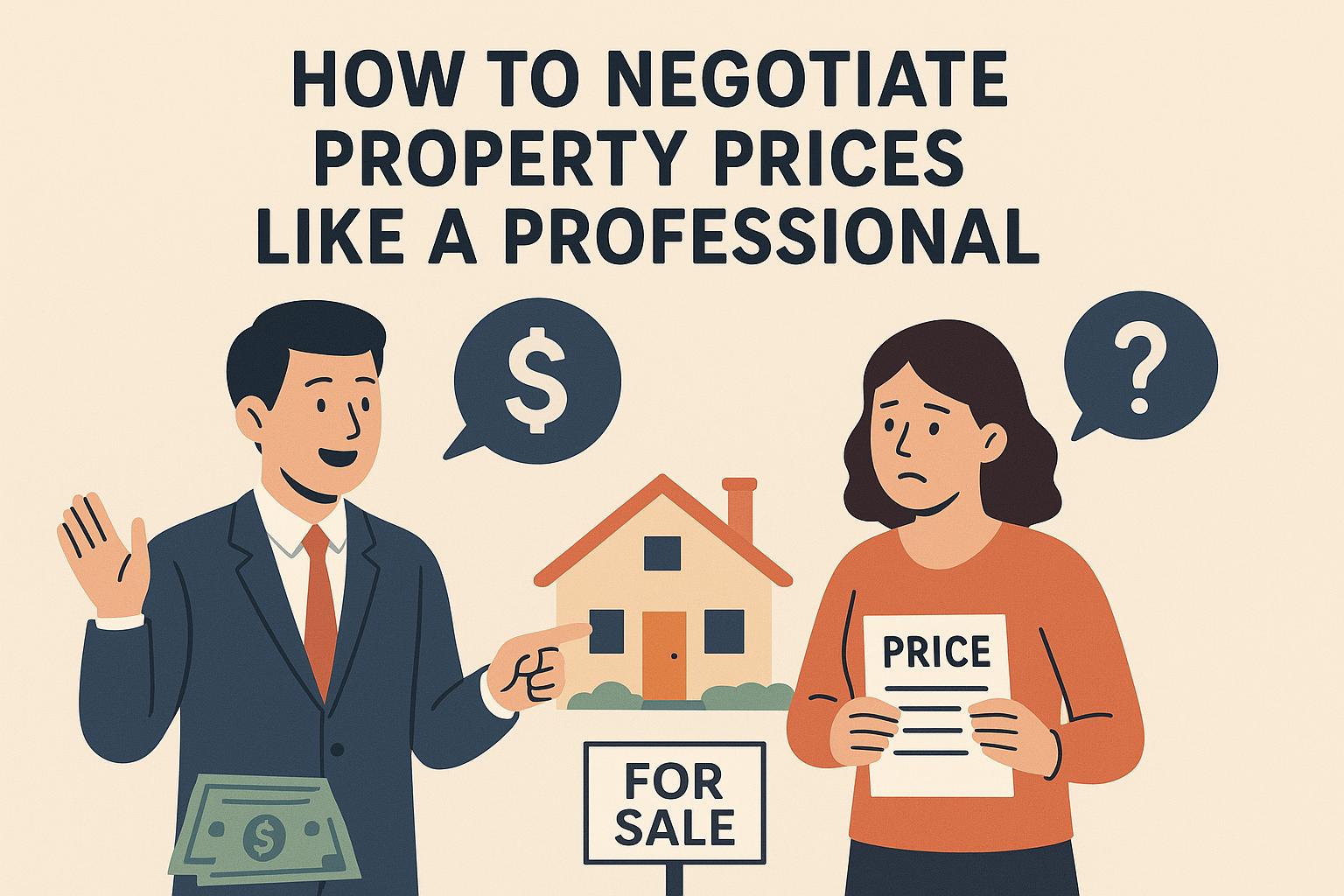
Buying a property is one of the biggest financial decisions most people make in their lifetime. Whether it’s a house, apartment, or commercial space, negotiating the price can save you a significant amount of money. However, many buyers shy away from negotiation due to fear of offending the seller or simply not knowing how to approach it. This guide will teach you how to negotiate property prices like a professional, using proven strategies and psychological tactics.
1. Do Your Homework
Before entering any negotiation, knowledge is power. Gather detailed information about the property:
· Market Research: Check the average prices in the neighborhood for similar properties. Online real estate portals, recent sale records, and local agents can provide this information.
· Property History: Learn how long the property has been on the market. A property listed for a long time may indicate that the seller is more open to negotiation.
· Seller Motivation: Understanding why the seller is selling can give you an edge. For example, a seller who needs quick cash may accept a lower price.
Pro Tip: Create a comparison sheet of similar properties to justify your offer during negotiation.
2. Set Your Budget and Target Price
Know your financial limits and decide the maximum you are willing to pay. Simultaneously, set a target price lower than your maximum to give yourself room to negotiate.
· Maximum Budget: The absolute highest price you can afford.
· Ideal Price: A realistic price that you hope to negotiate towards.
· Initial Offer: Usually 5–15% below the asking price, depending on market conditions.
Pro Tip: Avoid revealing your budget to the seller—it can weaken your negotiating position.
3. Build Rapport with the Seller
Negotiation is not just about numbers; it’s also about relationships. A positive connection with the seller can make them more receptive to your offer.
· Be Polite and Professional: Friendly communication builds trust.
· Show Genuine Interest: Sellers are more likely to negotiate with someone who seems serious about buying.
· Ask Questions: Inquire about the property’s features, history, and potential issues—this helps you find negotiation points.
4. Identify Negotiation Leverage
Every property has strengths and weaknesses. Identifying areas where the seller may be flexible is key:
· Property Condition: Issues like repairs, outdated interiors, or pending maintenance can justify a lower offer.
· Market Timing: If it’s an off-season or a buyer’s market, you have more bargaining power.
· Competing Buyers: If there are fewer interested buyers, you can negotiate more aggressively.
Pro Tip: Keep a list of all the points that support a lower offer—it will help you justify your price calmly and professionally.
5. Make a Strategic Offer
When presenting your offer:
· Start Low, But Reasonable: Don’t insult the seller with an extremely low offer.
· Justify Your Offer: Use data from comparable sales, repair costs, or market trends.
· Be Clear and Confident: Avoid hesitating or showing uncertainty, as it can make the seller less likely to take your offer seriously.
6. Use Psychological Tactics
Professional negotiators often rely on psychology:
· Silence is Powerful: After making an offer, remain silent. The seller may fill the silence by reducing the price.
· Walk-Away Technique: Be prepared to walk away if the price isn’t right—it shows you are serious and not desperate.
· Bundling Negotiations: Ask for extras like furniture, appliances, or free repairs to increase value without raising the price.
7. Be Patient and Flexible
Negotiation is rarely instant. Be ready for counteroffers and maintain a flexible approach:
· Avoid Rush Decisions: Take your time to evaluate each counteroffer.
· Look for Win-Win Solutions: Aim for agreements where both you and the seller feel satisfied.
· Keep Emotions in Check: Emotional decisions can lead to overpaying or souring the deal.
8. Seal the Deal Professionally
Once an agreement is reached:
· Get Everything in Writing: Draft a formal agreement outlining the price, terms, and conditions.
· Engage Legal Help: Ensure all contracts are legally valid and reviewed by a property lawyer.
· Confirm Payment Terms: Be clear about payment schedules, deposits, and final transfer dates.
Pro Tip: Professional closure ensures no surprises after the deal is done.
Conclusion
Negotiating property prices like a professional is both an art and a science. It requires preparation, market knowledge, strategic thinking, and the right communication skills. By researching the property, understanding the seller’s motivations, identifying leverage points, and confidently presenting your offer, you can secure a deal that benefits both sides. Remember, patience and professionalism are key—rushing or getting emotional can cost you money. With practice and persistence, negotiation can become a powerful tool to help you buy your dream property at the best possible price.
Trending Posts

Why Mysuru Is the Next Tier-2 Real Estate Star
21 Nov 2025
How to Choose the Right Location for Your Dream Home
25 Nov 2025
Top Things to Check Before Buying a House in India
25 Nov 2025
Why MUDA-Approved Sites Are the Hottest Real Estate Choice in Mysore
18 Nov 2025
Role of a Real Estate Agent in Modern Home Buying
27 Nov 2025
A Skin Cream That’s Proven To Work
20 Aug 2024
0 Comments